Buy massivhaus.info ?
We are moving the project
massivhaus.info .
Are you interested in purchasing the domain
massivhaus.info ?
domain@kv-gmbh.de · 0541-91531010
Buy massivhaus.info ?
What is the modern interpretation of Germanic mythology for pagans?
For modern pagans, the interpretation of Germanic mythology often focuses on connecting with the gods and goddesses of the ancient Germanic pantheon, such as Odin, Thor, Freyja, and Frigg. They may draw inspiration from the stories and symbolism of these deities to guide their spiritual practices and beliefs. Additionally, modern pagans may also incorporate elements of Germanic folklore, rituals, and traditions into their worship to honor their ancestors and the natural world. Overall, the modern interpretation of Germanic mythology for pagans emphasizes a deep reverence for nature, community, and the divine. **
Were the Germanic people Vikings, or were the Vikings Germanic?
The Germanic people were a group of tribes that lived in Northern Europe, including modern-day Germany, Scandinavia, and the Netherlands. The Vikings were a specific group of people within the broader Germanic culture, known for their seafaring and raiding activities. So, the Vikings were a subset of the Germanic people, and not all Germanic people were Vikings. **


Similar search terms for Germanic
Top-Angebote
Products related to Germanic:
-
GDFStudio - Ethan Contemporary 3-Drawer Reversible Office Desk with Spacious Work Surface and Efficient StorageFlexible Reversible Setup: This desk allows users to reverse the configuration to perfectly suit their office layout or personal preference.349,94 $*Shipping: 0,00 $Secure redirect to the provider
-
Kesnos Energy Star Most Efficient Dehumidifier, 52 Pints for 4,500 Sq. Ft.Kesnos Energy Star Most Efficient 2024 Dehumidifier removes up to 52 pints of moisture per day, covering up to 4,500 sq. ft. With adjustable humidity control (30-80% RH), multiple modes, and energy-saving features. Powerful 4,500 Sq. Ft.210,99 $*Shipping: 0,00 $Secure redirect to the provider
-
Multicon Wholesale Hub Tier CD Media Storage Cabinet, Adjustable DVD Book Shelf With Customizable Display, Spacious And Durable Tier CD Media Storage Cabinet, Adjustable DVD Book Shelf With Customizable Display, Spacious And DurableOrganize your media collection with the CD Media Storage Cabinet that blends style and functionality. Designed for versatility, this DVD book shelf offers adjustable layers, allowing you to customize the storage layout according to your needs....108,97 $*Shipping: 0,00 $Secure redirect to the provider


-
Are the Celts Germanic?
No, the Celts are not Germanic. The Celts were a distinct group of people who originated in Central Europe and spread across much of Western Europe, including areas that are now part of modern-day France, Spain, and the British Isles. The Germanic peoples, on the other hand, originated in northern Europe and eventually spread into areas that are now part of modern-day Germany, Scandinavia, and the Netherlands. While the Celts and Germanic peoples may have had some interactions and influences on each other, they are considered to be separate and distinct cultural and linguistic groups. **
-
What is Germanic Neopaganism?
Germanic Neopaganism is a modern revival of the pre-Christian religious practices and beliefs of the Germanic peoples. It encompasses a variety of traditions and practices inspired by the ancient Germanic cultures, including Norse, Anglo-Saxon, and Continental Germanic traditions. Followers of Germanic Neopaganism often worship a pantheon of gods and goddesses, honor their ancestors, and celebrate seasonal festivals. It is a decentralized and diverse movement, with different groups and individuals interpreting and practicing the faith in their own unique ways. **
-
Were the Greeks Germanic?
No, the Greeks were not Germanic. The Greeks were an ancient civilization that originated in the Mediterranean region, while the Germanic peoples were a group of tribes that originated in northern Europe. The Greeks had their own distinct language, culture, and history, which were different from those of the Germanic peoples. Therefore, it is not accurate to classify the Greeks as Germanic. **
-
Are Austrians Germanic or Slavic?
Austrians are considered to be primarily Germanic. The majority of the population in Austria speaks German as their first language and shares cultural and historical ties with other Germanic-speaking countries. However, due to its location in Central Europe, Austria has also been influenced by Slavic cultures, particularly in regions bordering countries like Slovenia and the Czech Republic. **

Were the Germanic people indigenous?
The Germanic people were not indigenous to the areas they eventually settled in. They were originally believed to have originated in Scandinavia and northern Germany before migrating to other parts of Europe. As they moved and settled in new territories, they interacted with and assimilated with the indigenous populations already living there. Over time, they established their own distinct cultures and societies in these regions. **
What is typical Germanic clothing?
Typical Germanic clothing includes garments made from wool, linen, and leather. Men often wore tunics, trousers, and cloaks, while women wore long dresses with aprons. Both men and women would also wear belts, hats, and shoes made from leather. The clothing was often decorated with intricate patterns and embroidery, reflecting the craftsmanship and attention to detail of Germanic culture. **
Top-Angebote
Products related to Germanic:
-
Drop Dash Deals Auto Start Stop Eliminator Energy Efficient Disable Kit Auto Start Stop Eliminator Energy Efficient Disable KitTired of the constant stopstart in traffic This 1 pc Auto Start Stop Eliminator Cable is the solution designed specifically for Chevrolet Equinox 20172018 models. This simple, yet effective device allows you to disable the auto startstop function in...37,97 $*Shipping: 0,00 $Secure redirect to the provider
-
Yeego 60-Can Direct-Cool Beverage Cooler, Energy-Efficient Mini FridgeThe Yeego Beverage Refrigerator brings a refined balance of form and function, offering a sleek, compact design that fits effortlessly into kitchens, home bars, or entertainment spaces.163,00 $*Shipping: 0,00 $Secure redirect to the provider
-
GDFStudio - Ethan Contemporary 3-Drawer Reversible Office Desk with Spacious Work Surface and Efficient StorageFlexible Reversible Setup: This desk allows users to reverse the configuration to perfectly suit their office layout or personal preference.349,94 $*Shipping: 0,00 $Secure redirect to the provider
-
Kesnos Energy Star Most Efficient Dehumidifier, 52 Pints for 4,500 Sq. Ft.Kesnos Energy Star Most Efficient 2024 Dehumidifier removes up to 52 pints of moisture per day, covering up to 4,500 sq. ft. With adjustable humidity control (30-80% RH), multiple modes, and energy-saving features. Powerful 4,500 Sq. Ft.210,99 $*Shipping: 0,00 $Secure redirect to the provider
-
What is the modern interpretation of Germanic mythology for pagans?
For modern pagans, the interpretation of Germanic mythology often focuses on connecting with the gods and goddesses of the ancient Germanic pantheon, such as Odin, Thor, Freyja, and Frigg. They may draw inspiration from the stories and symbolism of these deities to guide their spiritual practices and beliefs. Additionally, modern pagans may also incorporate elements of Germanic folklore, rituals, and traditions into their worship to honor their ancestors and the natural world. Overall, the modern interpretation of Germanic mythology for pagans emphasizes a deep reverence for nature, community, and the divine. **
-
Were the Germanic people Vikings, or were the Vikings Germanic?
The Germanic people were a group of tribes that lived in Northern Europe, including modern-day Germany, Scandinavia, and the Netherlands. The Vikings were a specific group of people within the broader Germanic culture, known for their seafaring and raiding activities. So, the Vikings were a subset of the Germanic people, and not all Germanic people were Vikings. **
-
Are the Celts Germanic?
No, the Celts are not Germanic. The Celts were a distinct group of people who originated in Central Europe and spread across much of Western Europe, including areas that are now part of modern-day France, Spain, and the British Isles. The Germanic peoples, on the other hand, originated in northern Europe and eventually spread into areas that are now part of modern-day Germany, Scandinavia, and the Netherlands. While the Celts and Germanic peoples may have had some interactions and influences on each other, they are considered to be separate and distinct cultural and linguistic groups. **
-
What is Germanic Neopaganism?
Germanic Neopaganism is a modern revival of the pre-Christian religious practices and beliefs of the Germanic peoples. It encompasses a variety of traditions and practices inspired by the ancient Germanic cultures, including Norse, Anglo-Saxon, and Continental Germanic traditions. Followers of Germanic Neopaganism often worship a pantheon of gods and goddesses, honor their ancestors, and celebrate seasonal festivals. It is a decentralized and diverse movement, with different groups and individuals interpreting and practicing the faith in their own unique ways. **
Similar search terms for Germanic
-
Multicon Wholesale Hub Tier CD Media Storage Cabinet, Adjustable DVD Book Shelf With Customizable Display, Spacious And Durable Tier CD Media Storage Cabinet, Adjustable DVD Book Shelf With Customizable Display, Spacious And DurableOrganize your media collection with the CD Media Storage Cabinet that blends style and functionality. Designed for versatility, this DVD book shelf offers adjustable layers, allowing you to customize the storage layout according to your needs....108,97 $*Shipping: 0,00 $Secure redirect to the provider
-
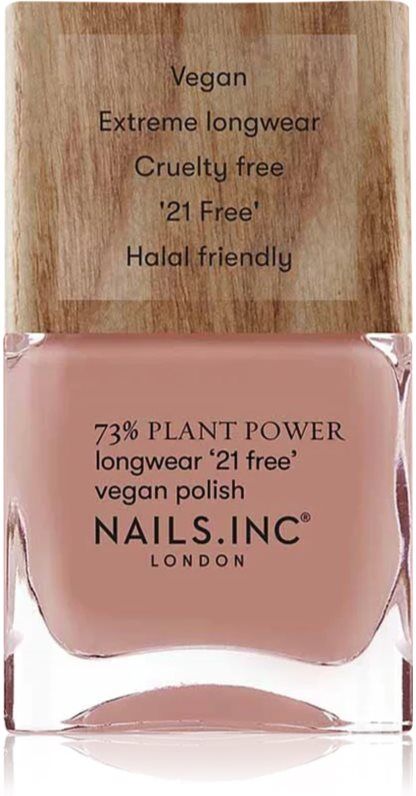
Nails Inc. Plant Power long-lasting nail polish shade Good Energy Efficient 14 mlNails Inc. Plant Power, 14 ml, Nail Varnishes for Women, A gorgeous manicure as though you’d just left the nail salon? The Nails Inc. Plant Power nail polish lets you achieve it in the comfort of your own home. It coats the surface of the nail with a continuous layer of long-lasting, intense colour with a glossy finish, helping to give your nails a manicured, perfectly groomed look. You can use it to accentuate your nails or perhaps to enhance your outfit and style. So which colour will you choose to make your nails pop? Characteristics: bright, rich colour ensures a high gloss easy to apply Ingredients: vegan product no acetone How to use: Apply the polish using a brush for polish-free, degreased nails. For best results, apply two layers.7,40 £*Shipping: 3,99 £Secure redirect to the provider
-
Garvee 14,000 BTU Portable AC, 4-in-1 Energy Efficient Cooling/Fan/Dehumidifier, Remote【[Powerful Cooling Performance】Designed with professional-grade 14,000 BTU capacity, this advanced cooling unit effectively maintains ideal temperatures in areas up to 750 square feet.508,91 $*Shipping: 0,00 $Secure redirect to the provider
-
Were the Greeks Germanic?
No, the Greeks were not Germanic. The Greeks were an ancient civilization that originated in the Mediterranean region, while the Germanic peoples were a group of tribes that originated in northern Europe. The Greeks had their own distinct language, culture, and history, which were different from those of the Germanic peoples. Therefore, it is not accurate to classify the Greeks as Germanic. **
-
Are Austrians Germanic or Slavic?
Austrians are considered to be primarily Germanic. The majority of the population in Austria speaks German as their first language and shares cultural and historical ties with other Germanic-speaking countries. However, due to its location in Central Europe, Austria has also been influenced by Slavic cultures, particularly in regions bordering countries like Slovenia and the Czech Republic. **
-
Were the Germanic people indigenous?
The Germanic people were not indigenous to the areas they eventually settled in. They were originally believed to have originated in Scandinavia and northern Germany before migrating to other parts of Europe. As they moved and settled in new territories, they interacted with and assimilated with the indigenous populations already living there. Over time, they established their own distinct cultures and societies in these regions. **
-
What is typical Germanic clothing?
Typical Germanic clothing includes garments made from wool, linen, and leather. Men often wore tunics, trousers, and cloaks, while women wore long dresses with aprons. Both men and women would also wear belts, hats, and shoes made from leather. The clothing was often decorated with intricate patterns and embroidery, reflecting the craftsmanship and attention to detail of Germanic culture. **
* All prices are inclusive of VAT and, if applicable, plus shipping costs. The offer information is based on the details provided by the respective shop and is updated through automated processes. Real-time updates do not occur, so deviations can occur in individual cases. ** Note: Parts of this content were created by AI.