Buy massivhaus.info ?
We are moving the project
massivhaus.info .
Are you interested in purchasing the domain
massivhaus.info ?
domain@kv-gmbh.de · 0541-91531010
Buy massivhaus.info ?
Are books or e-books more sustainable?
Books are generally considered more sustainable than e-books. While e-books do not require physical materials like paper and ink, they have a significant environmental impact due to the energy and resources required to produce and dispose of electronic devices. Additionally, the production and disposal of e-readers contribute to electronic waste, which can be harmful to the environment. On the other hand, books can be made from sustainably sourced materials and are often recyclable. Therefore, in terms of sustainability, books are generally the more environmentally friendly option. **
Is the horse sedated by the farrier?
It is not common practice for a farrier to sedate a horse during a routine hoof trimming or shoeing. Horses are usually trained to stand still and cooperate during these procedures, and sedation is typically only used in cases where the horse is extremely anxious or difficult to handle. Sedation should always be administered by a veterinarian and used only when necessary for the safety of the horse and the handler. **

Similar search terms for Atlantic-Books-Sedated-How
Top-Angebote
Products related to Atlantic-Books-Sedated-How:
-
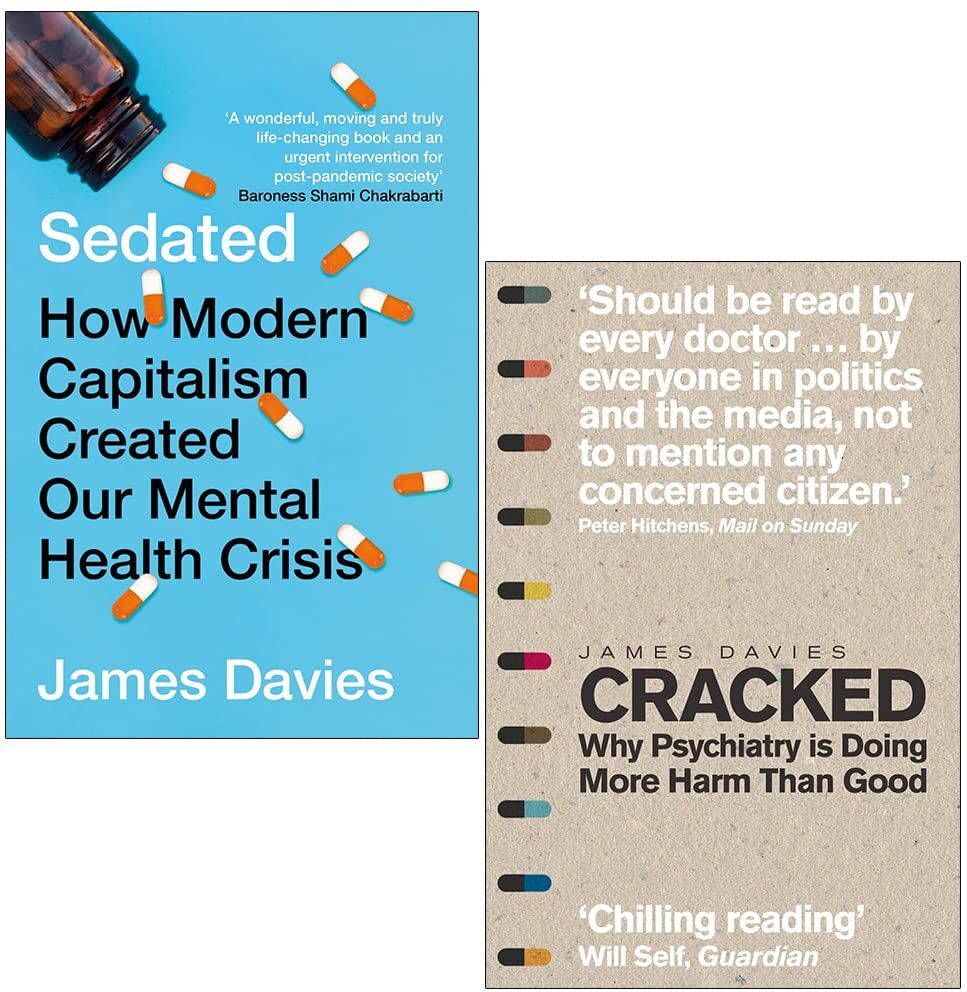
Icon Books James Davies Collection 2 Books Set (Sedated, Cracked)Sedated In Britain alone, more than 20% of the adult population take a psychiatric drug in any one year. This is an increase of over 500% since 1980 and the numbers continue to grow. Yet, despite this prescription epidemic, levels of mental illness of all types have actually increased in number and severity. Using a wealth of studies, interviews with experts, and detailed analysis, Dr James Davies argues that this is because we have fundamentally mischaracterised the problem. Rather than viewing most mental distress as an understandable reaction to wider societal problems, we have embraced a medical model which situates the problem solely within the sufferer and their brain. Urgent and persuasive, Sedated systematically examines why this individualistic view of mental illness has been promoted by successive governments and big business - and why it is so misplaced and dangerous. Cracked Why is psychiatry such big business? Why are so many psychiatric drugs prescribed - 47 million antidepressant prescriptions in the UK alone last year - and why, without solid scientific justification, has the number of mental disorders risen from 106 in 1952 to 374 today?The everyday sufferings and setbacks of life are now 'medicalised' into illnesses that require treatment - usually with highly profitable drugs. Psychological therapist James Davies uses his insider knowledge to illustrate for a general readership how psychiatry has put riches and medical status above patients' well-being. The charge sheet is damning: negative drug trials routinely buried; antidepressants that work no better than placebos; research regularly manipulated to produce positive results; doctors, seduced by huge pharmaceutical rewards, creating more disorders and prescribing more pills; and ethical, scientific and treatment flaws unscrupulously concealed by mass-marketing. Cracked reveals for the first time the true human cost of an industry that, in the name of helping others, has actually been helping itself.10,90 £*Shipping: 2,99 £Secure redirect to the provider
-
James Davies Collection 2 Books Set (Cracked, Sedated)Description:. Condition: BRAND NEW. Format: Paperback. Cracked: Why Psychiatry is Doing More Harm Than Good. Controversial and powerful - a shocking indictment of the pseudo-science at the heart of modern psychiatry. Sedated: How Modern Capitalism Created our Mental Health Crisis. Using a wealth of studies, interviews with experts, and detailed analysis, Dr James Davies argues that this is because we have fundamentally mischar acterised the problem. Rather than viewing most mental distress as an understandable reaction to wider societal problems, we have embraced a medical model which situates the problem solely within the sufferer and their brain.Urgent and persuasive, Sedated systematically examines why this individualistic view of mental illness has been promoted by successive governments and big business - and why it is so misplaced and dangerous.. Title. James Davies Collection 2 Books Set Cracked, Sedated. Delivery. Content. Reviews10,90 £*Shipping: 2,99 £Secure redirect to the provider
-
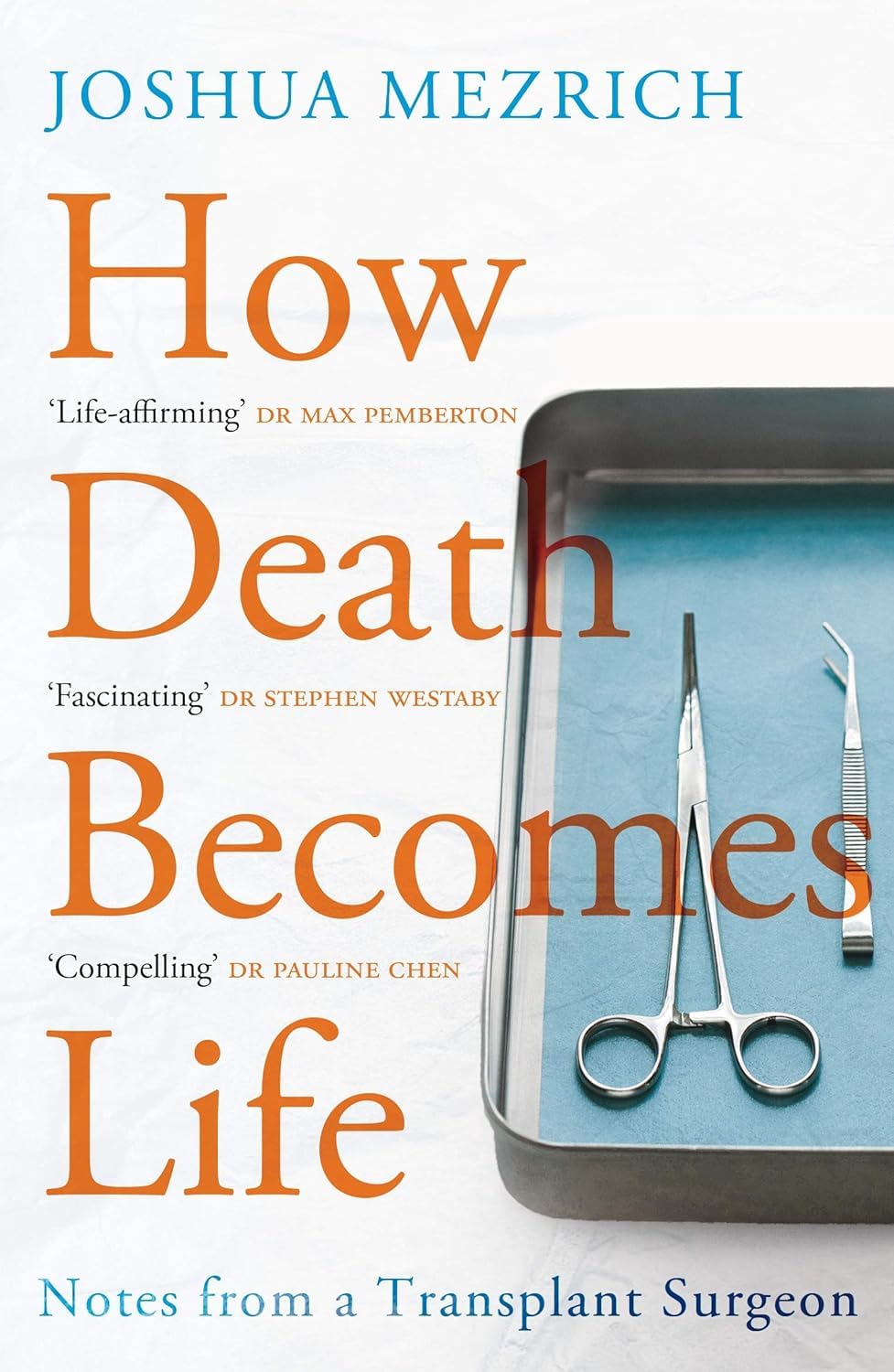
Atlantic Books How Death Becomes Life: Notes from a Transplant Surgeon by Joshua Mezrich - Paperback - Medical Memoir & EthicsIn How Death Becomes Life, transplant surgeon Dr Joshua Mezrich takes readers deep inside the operating theatre, where split-second decisions determine who lives and who dies. Drawing on his career at the University of Wisconsin, Mezrich weaves the remarkable history of transplantation - from early, disastrous experiments to the present day. This memoir is a compelling read for anyone fascinated by medicine, ethics, or the extraordinary courage of doctors, donors, and families who make life-saving miracles possible. The paperback edition of this book is a detailed and intimate account of life inside the operating room, where Mezrich confronts the most profound ethical and human dilemmas in modern medicine. Blending more than a century of medical history with intimate patient stories, Mezrich reveals how organ transplantation transforms tragedy into hope.2,99 £*Shipping: 2,99 £Secure redirect to the provider
-
Atlantic Books How Will I Ever Get Through This? A Positive Psychology Approach To Healing Grief - Non FictionTitle:. How Will I Ever Get Through This?: A Positive Psychology Approach To Healing Grief - Non Fiction Overview:. Grief can feel like a long, uncharted journey, and at the start the horizon seems distant and unclear. How Will I Ever Get Through This? offers a compassionate, evidence-based map for healing grounded in positive psychology. Written for anyone navigating loss—whether the grief is tied to death, illness, relationship breakdowns, or other life-altering events—the book translates research into practical steps you can apply today. Expect a clear, humane voice that respects your pain while inviting you to take small, purposeful actions that rebuild your life. The approach is not about forcing happiness or erasing sorrow; it’s about restoring daily functioning, restoring hope, and reclaiming moments of meaning. You’ll find structured exercises, doable daily routines, and thought-through strategies designed to lower overwhelm, improve sleep, renew social ties, and shift toward hopeful futures. This is a real-world guide that blends science with lived experience, offering gentle accountability and permission to heal at your own pace while staying firmly grounded in empathy and practicality. By the end, you’ll have a pragmatic toolkit to navigate the next chapter with steadiness, resilience, and renewed purpose. What Makes This Book Stand Out:. What sets this book apart is the fusion of rigorous positive psychology with tangible grief-management tools. It presents a repeatable framework rather than abstract platitudes: name what hurts, implement small, sustainable habits, and gradually widen your life to include healing-oriented routines. The author artfully explains how mood, sleep, physical activity, and social connection interact with grieving, offering practical techniques such as micro-goals, gratitude-in-action, and social engagement plans tailored to fluctuating energy levels. The tone remains warm, non-judgmental, and human—an antidote to the isolation that often accompanies loss. The guidance is intentionally adaptable, acknowledging that grief is non-linear and personal. It speaks to both the person actively grieving and those who want to support them, delivering concise, science-backed steps you can revisit at different stages of recovery. It’s a proven, compassionate toolkit for building resilience long after the initial shock has passed. Who This Book Is Perfect For:. This book is ideal for adults experiencing any form of grief or major life change, and for friends, family, and professionals who want a clear, actionable approach to support healing. It suits readers who prefer practical guidance over abstract theory, and those seeking strategies they can implement around work, parenting, caregiving, or study. It also makes a thoughtful gift for someone facing loss or a thoughtful addition to a counselling, psychology, or self-help shelf. If you’re searching for evidence-based, down-to-earth guidance that respects emotion while...14,99 £*Shipping: 2,99 £Secure redirect to the provider


-
Do fish wake up after being sedated?
Fish do not have eyelids and do not experience sleep in the same way that humans and other animals do. When fish are sedated, they may become less active and responsive, but they do not enter a state of sleep as we understand it. Instead, they may appear to be in a state of reduced consciousness or awareness. After the sedative wears off, the fish will gradually return to their normal level of activity and responsiveness. **
-
Is the horse sedated during the farrier visit?
It is not common practice to sedate a horse during a routine farrier visit. Horses are usually trained to stand still and cooperate during hoof trimming and shoeing. However, in some cases where a horse is particularly anxious or difficult to handle, a veterinarian may administer a sedative to ensure the safety of both the horse and the farrier. Sedation should only be used when necessary and under the guidance of a veterinarian. **
-
How deep is the Atlantic on average?
The average depth of the Atlantic Ocean is approximately 12,000 feet (3,660 meters). **
-
How can one sail across the Atlantic?
Sailing across the Atlantic can be done by either joining a crew on a sailing yacht or by captaining your own boat. It's important to have the necessary sailing skills and experience, as well as knowledge of navigation, weather patterns, and safety procedures. Planning the route, preparing the boat with necessary supplies and equipment, and obtaining the required permits and documentation are also crucial. It's advisable to have a support team on land to monitor your progress and provide assistance if needed. **

How cold is it in the Atlantic?
The temperature of the Atlantic Ocean varies depending on the location and time of year. In general, the surface water temperature can range from as low as 0°C (32°F) in the northern regions to as high as 30°C (86°F) in the tropics. The deeper water in the Atlantic tends to be colder, with temperatures dropping significantly in the deeper layers. Overall, the Atlantic Ocean can be quite cold in the northern regions and warmer in the southern and tropical regions. **
When did the Atlantic Ocean originate?
The Atlantic Ocean is estimated to have originated around 200 million years ago during the breakup of the supercontinent Pangaea. This process of continental drift and seafloor spreading led to the formation of the Atlantic Ocean as we know it today. The ocean continues to evolve and change due to tectonic activity and other geological processes. **
Top-Angebote
Products related to Atlantic-Books-Sedated-How:
-
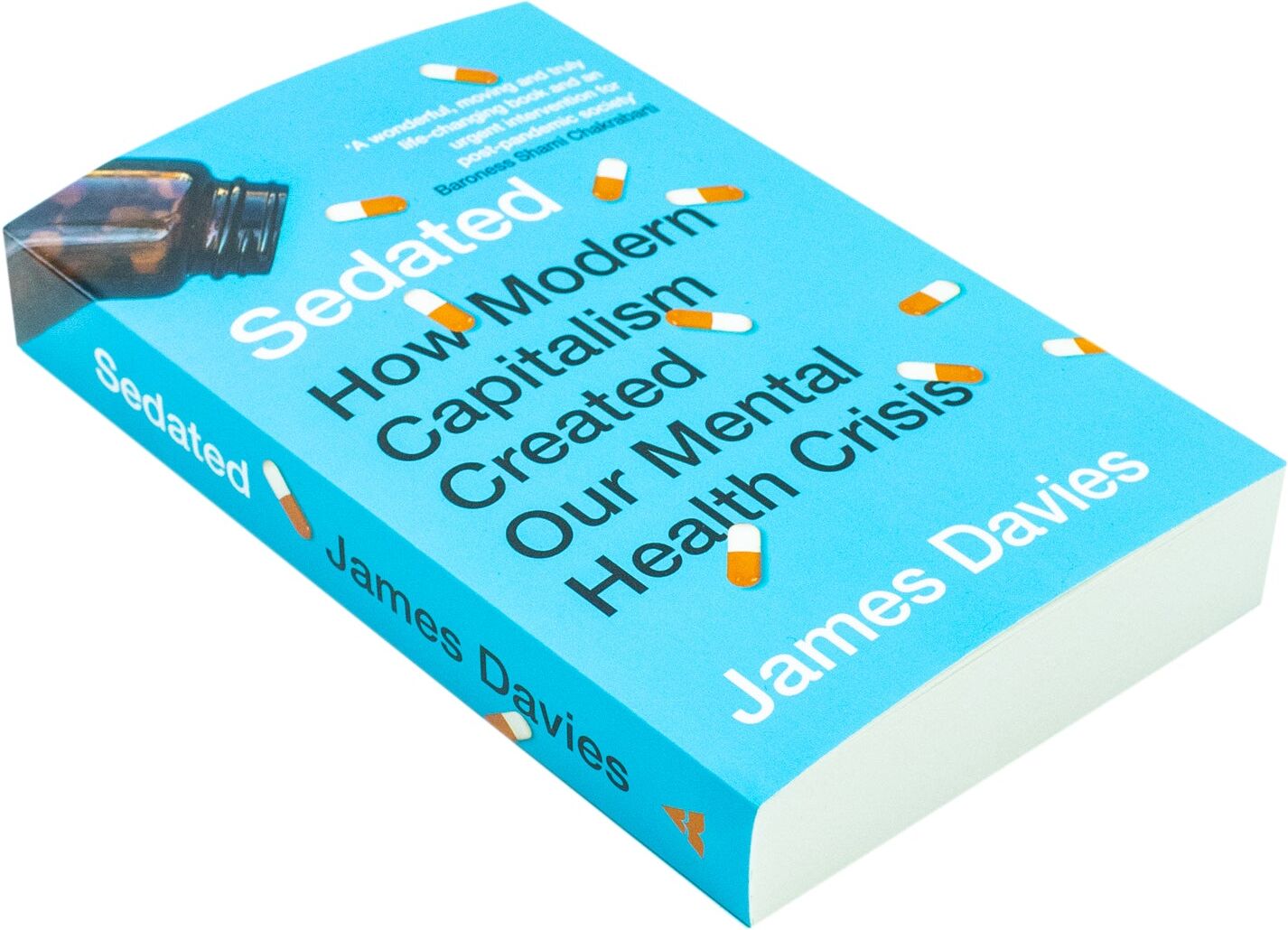
Atlantic Books Sedated: How Modern Capitalism Created our Mental Health Crisis by James DaviesA provocative and shocking look at how western society is misunderstanding and mistreating mental illness. Perfect for fans of Empire of Pain and Dope Sick. In Britain alone, more than 20% of the adult population take a psychiatric drug in any one year. This is an increase of over 500% since 1980 and the numbers continue to grow. Yet, despite this prescription epidemic, levels of mental illness of all types have actually increased in number and severity. Using a wealth of studies, interviews with experts, and detailed analysis, Dr James Davies argues that this is because we have fundamentally mischaracterised the problem. Rather than viewing most mental distress as an understandable reaction to wider societal problems, we have embraced a medical model which situates the problem solely within the sufferer and their brain. Urgent and persuasive, Sedated systematically examines why this individualistic view of mental illness has been promoted by successive governments and big business - and why it is so misplaced and dangerous.3,99 £*Shipping: 1,99 £Secure redirect to the provider
-
James Davies, Yanis Varoufakis Technofeudalism What Killed Capitalism, Sedated How Modern Capitalism Created our Mental Health Crisis 2 Books Collection SetDescription. Condition: BRAND NEW. Format: Paperback. Technofeudalism What Killed Capitalism:. In his boldest and most far-reaching book yet, world-famous economist Yanis Varoufakis argues that capitalism is dead and a new economic era has begun.Insane sums of money that were supposed to re-float our economies in the wake of the financial crisis and the pandemic have ended up supercharging big tech's hold over every aspect of the economy. Capitalism's twin pillars - markets and profit - have been replaced with big tech's platforms and rents. Meanwhile, with every click and scroll, we labour like serfs to increase its power.. Sedated: How Modern Capitalism Created our Mental Health Crisis:. In Britain alone, more than 20% of the adult population take a psychiatric drug in any one year. This is an increase of over 500% since 1980 and the numbers continue to grow. Yet, despite this prescription epidemic, levels of mental illness of all types have actually increased in number and severity.Using a wealth of studies, interviews with experts, and detailed analysis, Dr James Davies argues that this is because we have fundamentally mischaracterised the problem. Rather than viewing most mental distress as an understandable reaction to wider societal problems, we have embraced a medical model which situates the problem solely within the sufferer and their brain.. Title. Technofeudalism What Killed Capitalism, Sedated How Modern Capitalism Created our Mental Health Crisis 2 Books Collection Set. Delivery. Content. Reviews18,99 £*Shipping: 2,99 £Secure redirect to the provider
-
Icon Books James Davies Collection 2 Books Set (Sedated, Cracked)Sedated In Britain alone, more than 20% of the adult population take a psychiatric drug in any one year. This is an increase of over 500% since 1980 and the numbers continue to grow. Yet, despite this prescription epidemic, levels of mental illness of all types have actually increased in number and severity. Using a wealth of studies, interviews with experts, and detailed analysis, Dr James Davies argues that this is because we have fundamentally mischaracterised the problem. Rather than viewing most mental distress as an understandable reaction to wider societal problems, we have embraced a medical model which situates the problem solely within the sufferer and their brain. Urgent and persuasive, Sedated systematically examines why this individualistic view of mental illness has been promoted by successive governments and big business - and why it is so misplaced and dangerous. Cracked Why is psychiatry such big business? Why are so many psychiatric drugs prescribed - 47 million antidepressant prescriptions in the UK alone last year - and why, without solid scientific justification, has the number of mental disorders risen from 106 in 1952 to 374 today?The everyday sufferings and setbacks of life are now 'medicalised' into illnesses that require treatment - usually with highly profitable drugs. Psychological therapist James Davies uses his insider knowledge to illustrate for a general readership how psychiatry has put riches and medical status above patients' well-being. The charge sheet is damning: negative drug trials routinely buried; antidepressants that work no better than placebos; research regularly manipulated to produce positive results; doctors, seduced by huge pharmaceutical rewards, creating more disorders and prescribing more pills; and ethical, scientific and treatment flaws unscrupulously concealed by mass-marketing. Cracked reveals for the first time the true human cost of an industry that, in the name of helping others, has actually been helping itself.10,90 £*Shipping: 2,99 £Secure redirect to the provider
-
James Davies Collection 2 Books Set (Cracked, Sedated)Description:. Condition: BRAND NEW. Format: Paperback. Cracked: Why Psychiatry is Doing More Harm Than Good. Controversial and powerful - a shocking indictment of the pseudo-science at the heart of modern psychiatry. Sedated: How Modern Capitalism Created our Mental Health Crisis. Using a wealth of studies, interviews with experts, and detailed analysis, Dr James Davies argues that this is because we have fundamentally mischar acterised the problem. Rather than viewing most mental distress as an understandable reaction to wider societal problems, we have embraced a medical model which situates the problem solely within the sufferer and their brain.Urgent and persuasive, Sedated systematically examines why this individualistic view of mental illness has been promoted by successive governments and big business - and why it is so misplaced and dangerous.. Title. James Davies Collection 2 Books Set Cracked, Sedated. Delivery. Content. Reviews10,90 £*Shipping: 2,99 £Secure redirect to the provider
-
Are books or e-books more sustainable?
Books are generally considered more sustainable than e-books. While e-books do not require physical materials like paper and ink, they have a significant environmental impact due to the energy and resources required to produce and dispose of electronic devices. Additionally, the production and disposal of e-readers contribute to electronic waste, which can be harmful to the environment. On the other hand, books can be made from sustainably sourced materials and are often recyclable. Therefore, in terms of sustainability, books are generally the more environmentally friendly option. **
-
Is the horse sedated by the farrier?
It is not common practice for a farrier to sedate a horse during a routine hoof trimming or shoeing. Horses are usually trained to stand still and cooperate during these procedures, and sedation is typically only used in cases where the horse is extremely anxious or difficult to handle. Sedation should always be administered by a veterinarian and used only when necessary for the safety of the horse and the handler. **
-
Do fish wake up after being sedated?
Fish do not have eyelids and do not experience sleep in the same way that humans and other animals do. When fish are sedated, they may become less active and responsive, but they do not enter a state of sleep as we understand it. Instead, they may appear to be in a state of reduced consciousness or awareness. After the sedative wears off, the fish will gradually return to their normal level of activity and responsiveness. **
-
Is the horse sedated during the farrier visit?
It is not common practice to sedate a horse during a routine farrier visit. Horses are usually trained to stand still and cooperate during hoof trimming and shoeing. However, in some cases where a horse is particularly anxious or difficult to handle, a veterinarian may administer a sedative to ensure the safety of both the horse and the farrier. Sedation should only be used when necessary and under the guidance of a veterinarian. **
Similar search terms for Atlantic-Books-Sedated-How
-
Atlantic Books How Death Becomes Life: Notes from a Transplant Surgeon by Joshua Mezrich - Paperback - Medical Memoir & EthicsIn How Death Becomes Life, transplant surgeon Dr Joshua Mezrich takes readers deep inside the operating theatre, where split-second decisions determine who lives and who dies. Drawing on his career at the University of Wisconsin, Mezrich weaves the remarkable history of transplantation - from early, disastrous experiments to the present day. This memoir is a compelling read for anyone fascinated by medicine, ethics, or the extraordinary courage of doctors, donors, and families who make life-saving miracles possible. The paperback edition of this book is a detailed and intimate account of life inside the operating room, where Mezrich confronts the most profound ethical and human dilemmas in modern medicine. Blending more than a century of medical history with intimate patient stories, Mezrich reveals how organ transplantation transforms tragedy into hope.2,99 £*Shipping: 2,99 £Secure redirect to the provider
-
Atlantic Books How Will I Ever Get Through This? A Positive Psychology Approach To Healing Grief - Non FictionTitle:. How Will I Ever Get Through This?: A Positive Psychology Approach To Healing Grief - Non Fiction Overview:. Grief can feel like a long, uncharted journey, and at the start the horizon seems distant and unclear. How Will I Ever Get Through This? offers a compassionate, evidence-based map for healing grounded in positive psychology. Written for anyone navigating loss—whether the grief is tied to death, illness, relationship breakdowns, or other life-altering events—the book translates research into practical steps you can apply today. Expect a clear, humane voice that respects your pain while inviting you to take small, purposeful actions that rebuild your life. The approach is not about forcing happiness or erasing sorrow; it’s about restoring daily functioning, restoring hope, and reclaiming moments of meaning. You’ll find structured exercises, doable daily routines, and thought-through strategies designed to lower overwhelm, improve sleep, renew social ties, and shift toward hopeful futures. This is a real-world guide that blends science with lived experience, offering gentle accountability and permission to heal at your own pace while staying firmly grounded in empathy and practicality. By the end, you’ll have a pragmatic toolkit to navigate the next chapter with steadiness, resilience, and renewed purpose. What Makes This Book Stand Out:. What sets this book apart is the fusion of rigorous positive psychology with tangible grief-management tools. It presents a repeatable framework rather than abstract platitudes: name what hurts, implement small, sustainable habits, and gradually widen your life to include healing-oriented routines. The author artfully explains how mood, sleep, physical activity, and social connection interact with grieving, offering practical techniques such as micro-goals, gratitude-in-action, and social engagement plans tailored to fluctuating energy levels. The tone remains warm, non-judgmental, and human—an antidote to the isolation that often accompanies loss. The guidance is intentionally adaptable, acknowledging that grief is non-linear and personal. It speaks to both the person actively grieving and those who want to support them, delivering concise, science-backed steps you can revisit at different stages of recovery. It’s a proven, compassionate toolkit for building resilience long after the initial shock has passed. Who This Book Is Perfect For:. This book is ideal for adults experiencing any form of grief or major life change, and for friends, family, and professionals who want a clear, actionable approach to support healing. It suits readers who prefer practical guidance over abstract theory, and those seeking strategies they can implement around work, parenting, caregiving, or study. It also makes a thoughtful gift for someone facing loss or a thoughtful addition to a counselling, psychology, or self-help shelf. If you’re searching for evidence-based, down-to-earth guidance that respects emotion while...14,99 £*Shipping: 2,99 £Secure redirect to the provider
-
Jonathan Dimbleby Collection 3 Books Set (The Battle of the Atlantic, Barbarossa How Hitler Lost the War & Endgame 1944)Description. Condition: Brand New. Format : Paperback. The Battle of the Atlantic:. In Jonathan Dimbleby's brilliant and dramatic new account we see how this epic struggle for maritime mastery played out, from the politicians and admirals to the men on and under the sea and their families waiting at home. Filled with haunting and hair-raising stories of chases, ambushes, sinkings, stalkings, disasters and rescues, The Battle of the Atlantic is a monumental work of history as it was lived and fought.. Barbarossa How Hitler Lost the War:. Operation Barbarossa, Hitler's invasion of Russia in June 1941, aimed at nothing less than a war of extermination to annihilate Soviet communism, liquidate the Jews and create Lebensraum for the German master race. But it led to the destruction of the Third Reich, and was cataclysmic for Germany with millions of men killed, wounded or registered as missing in action. It was this colossal mistake -- rather than any action in Western Europe -- that lost Hitler the Second World War.. Endgame 1944:. In his new book, bestselling historian Jonathan Dimbleby describes and analyses this momentous year, covering the military, political and diplomatic story in his evocative style. Drawing on previously untranslated German, Russian and Polish sources, we see how sophisticated new forms of deception and ruthless Partisan warfare shifted the Soviets’ fortunes, how their triumphs effectively gave Stalin authority to occupy Eastern Europe and how it was the events of 1944 that enabled Stalin to dictate the terms of the post-war settlement, laying the foundations for the Cold War . . .. Title. Jonathan Dimbleby Collection 3 Books Set (The Battle of the Atlantic, Barbarossa How Hitler Lost the War & Endgame 1944). Delivery. Content. Reviews35,99 £*Shipping: 0,00 £Secure redirect to the provider
-
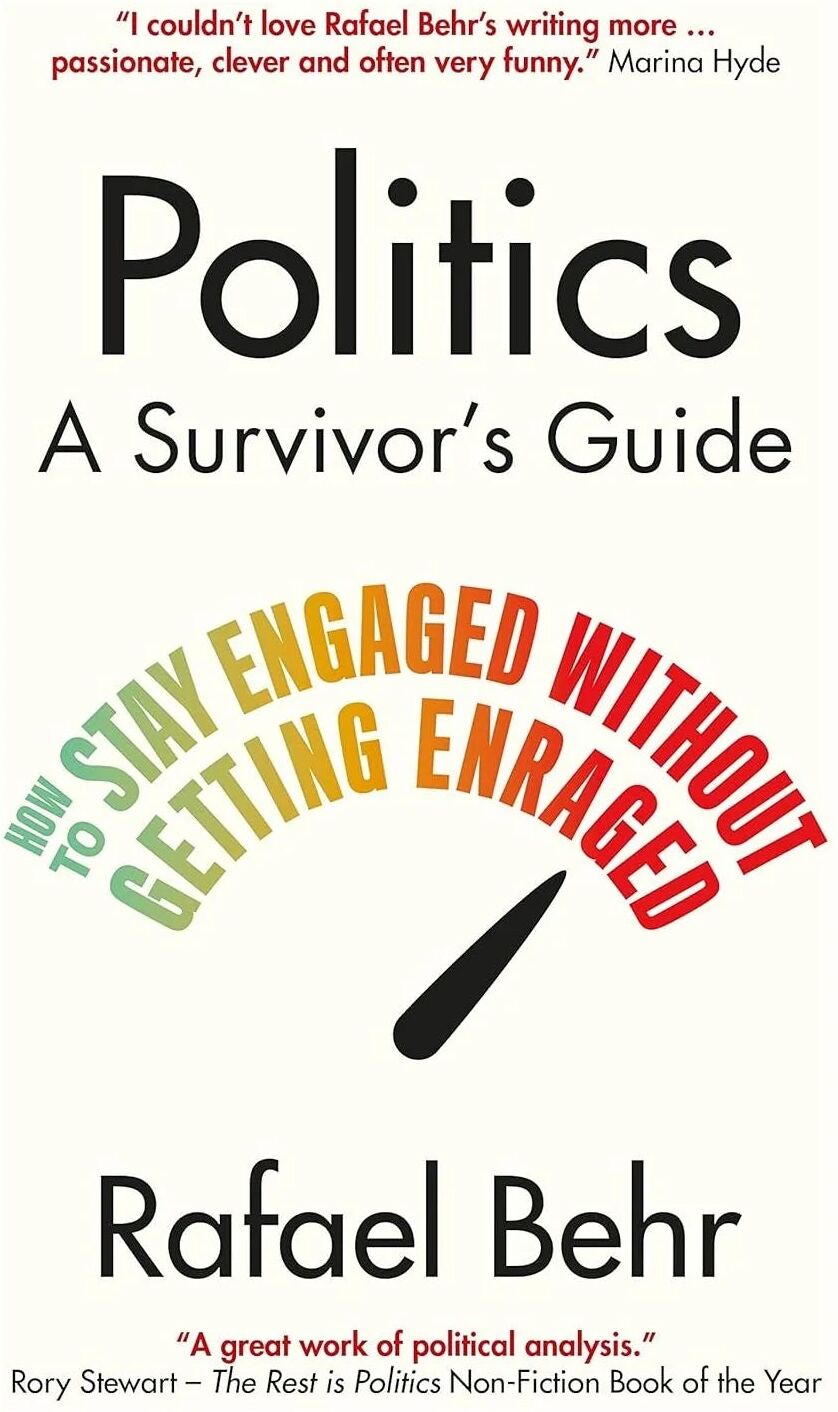
Atlantic Books Politics: A Survivor's Guide by Rafael Behr - Hardback - Non Fiction Politics & Current Affairs - How to Stay Engaged without Getting EnragedPolitics: A Survivor's Guide is a thought-provoking book by award-winning Guardian columnist Rafael Behr. Drawing on three decades of reporting from Westminster to the former Soviet Union, Behr offers a deeply personal look at the forces pulling democracy apart. This hardback book provides a genuinely hopeful path through the noise for anyone who cares about the state of the world but is tired of shouting matches. We live in an age of turmoil, where one crisis barely ends before the next begins. Behr argues that this turbulence is not a reason to switch off the news, but rather an opportunity to engage with the world in a more meaningful way. Published by Atlantic Books, this book is suitable for adult readers.10,49 £*Shipping: 2,99 £Secure redirect to the provider
-
How deep is the Atlantic on average?
The average depth of the Atlantic Ocean is approximately 12,000 feet (3,660 meters). **
-
How can one sail across the Atlantic?
Sailing across the Atlantic can be done by either joining a crew on a sailing yacht or by captaining your own boat. It's important to have the necessary sailing skills and experience, as well as knowledge of navigation, weather patterns, and safety procedures. Planning the route, preparing the boat with necessary supplies and equipment, and obtaining the required permits and documentation are also crucial. It's advisable to have a support team on land to monitor your progress and provide assistance if needed. **
-
How cold is it in the Atlantic?
The temperature of the Atlantic Ocean varies depending on the location and time of year. In general, the surface water temperature can range from as low as 0°C (32°F) in the northern regions to as high as 30°C (86°F) in the tropics. The deeper water in the Atlantic tends to be colder, with temperatures dropping significantly in the deeper layers. Overall, the Atlantic Ocean can be quite cold in the northern regions and warmer in the southern and tropical regions. **
-
When did the Atlantic Ocean originate?
The Atlantic Ocean is estimated to have originated around 200 million years ago during the breakup of the supercontinent Pangaea. This process of continental drift and seafloor spreading led to the formation of the Atlantic Ocean as we know it today. The ocean continues to evolve and change due to tectonic activity and other geological processes. **
* All prices are inclusive of VAT and, if applicable, plus shipping costs. The offer information is based on the details provided by the respective shop and is updated through automated processes. Real-time updates do not occur, so deviations can occur in individual cases. ** Note: Parts of this content were created by AI.